Southend United fell to a 2-0 defeat at Boundary Park on Tuesday night. Oldham striker Alex Reid capitalised on a defensive mix-up just before half-time, before substitute Ellis Chapman put the game to bed in the second half. Southend had the majority of the possession, but Oldham’s low-block prevented us from creating too many clear chances, and we ultimately failed to take any of the ones that came our way.
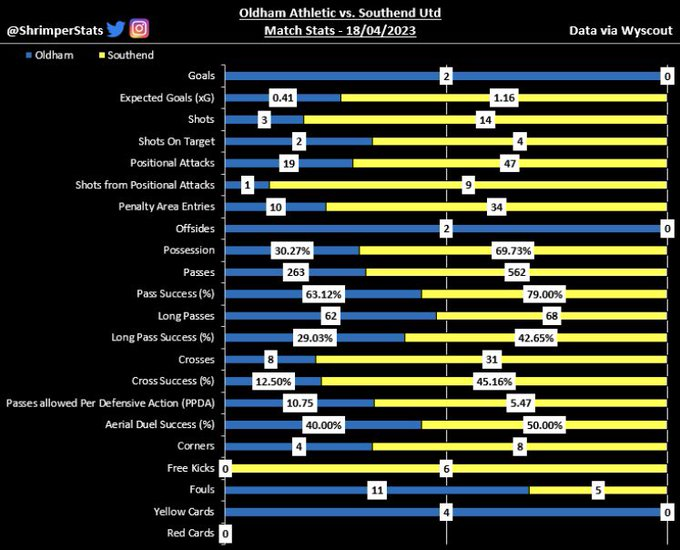
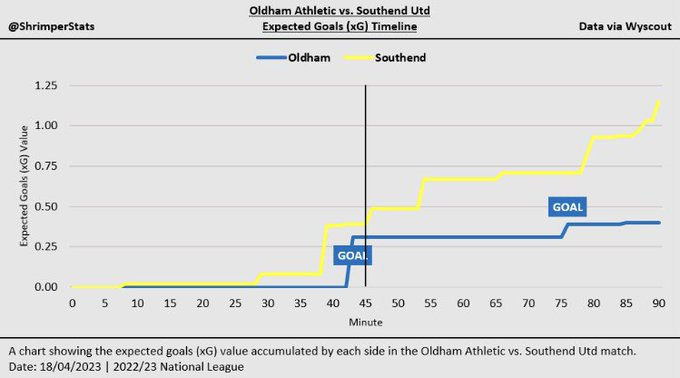
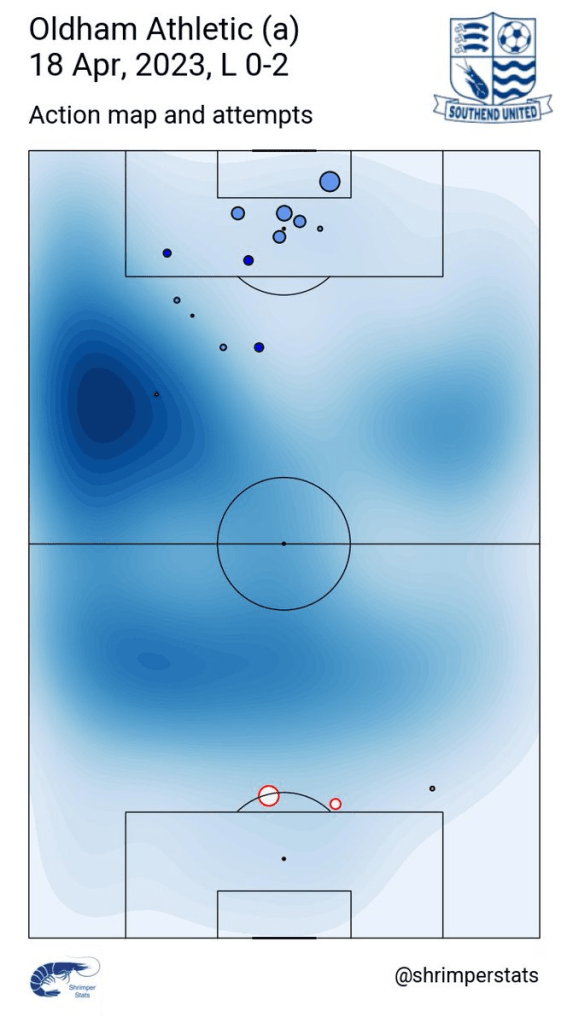
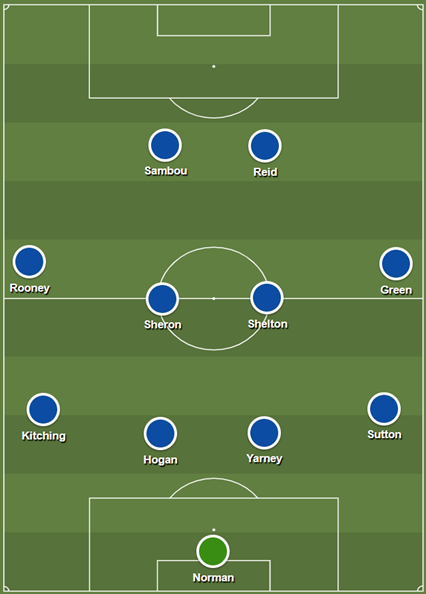
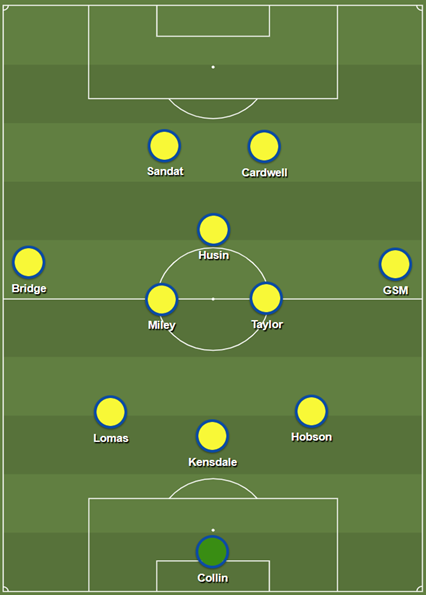
Oldham started the match in a 4-4-2 formation whilst Southend went with a 3-5-2, looking to use Noor Husin to overload the midfield.
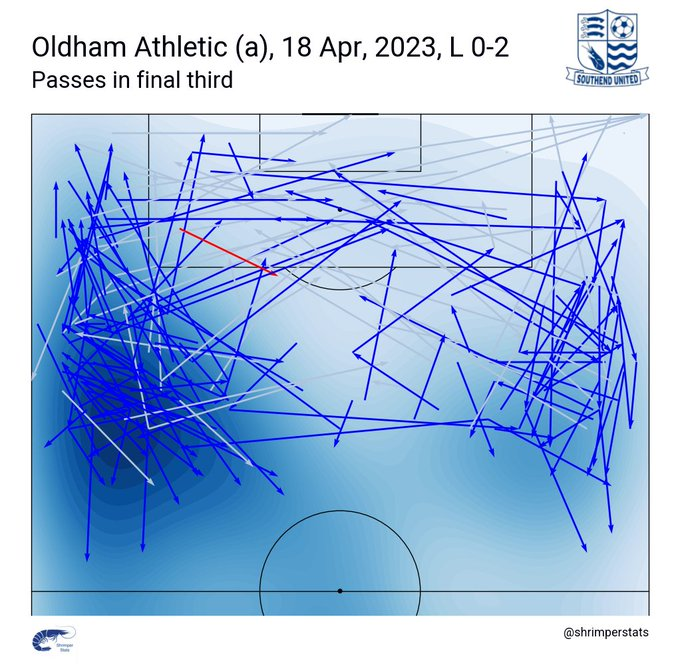
Once Southend had played through their press, Oldham made it difficult for us to create many clear chances by sitting deeper in a low-block to defend their penalty area. This meant that there wasn’t much space in and around Oldham’s penalty area for us to exploit.
Here you can see all of Southend’s passes in the final third versus Oldham. Notice how Oldham’s defensive block forced us to play down the sides rather than through the middle.
This isn’t the first time Southend have dropped points this season when up against a side who used these tactics, which is why I want to focus on that in a bit more detail in this piece.
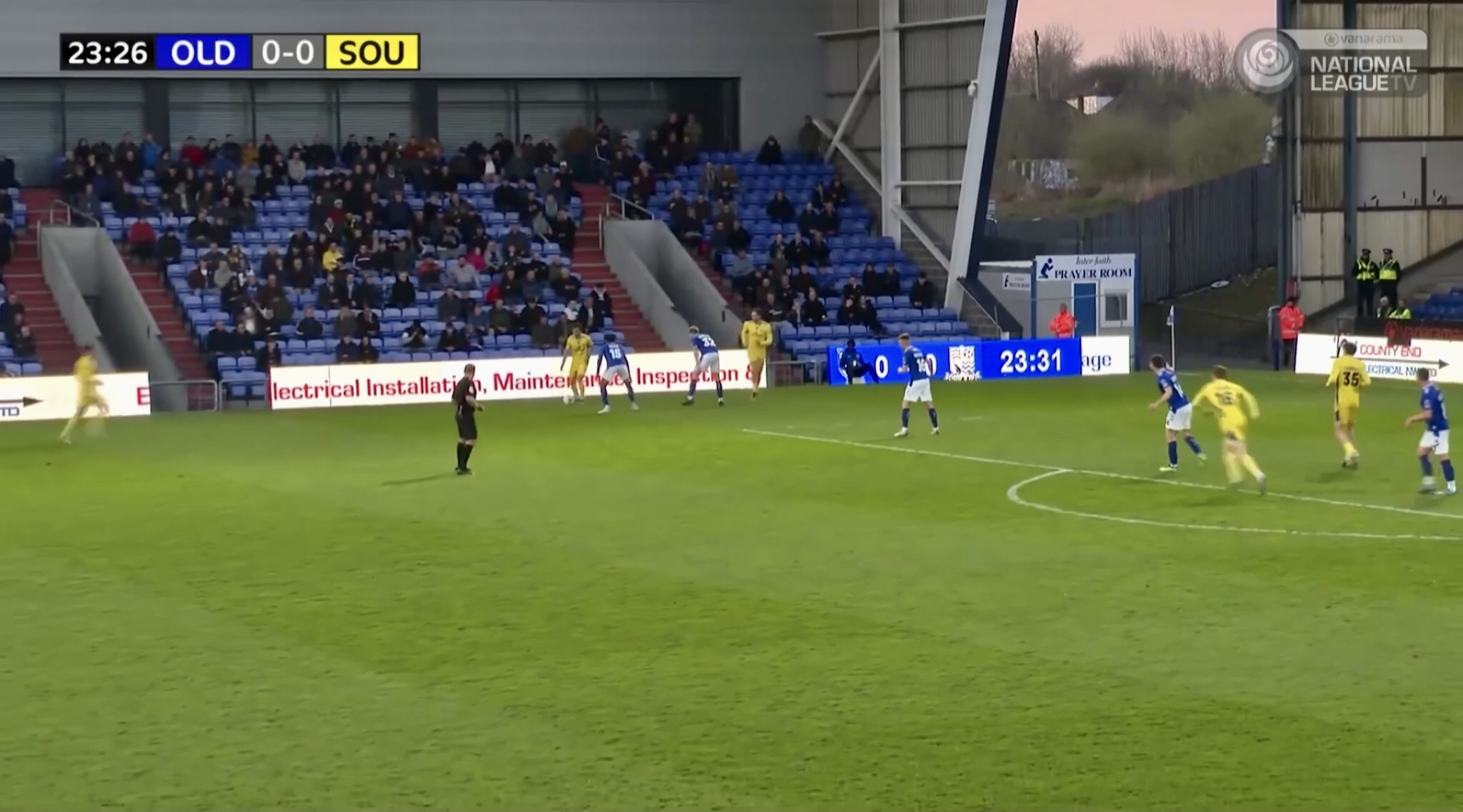
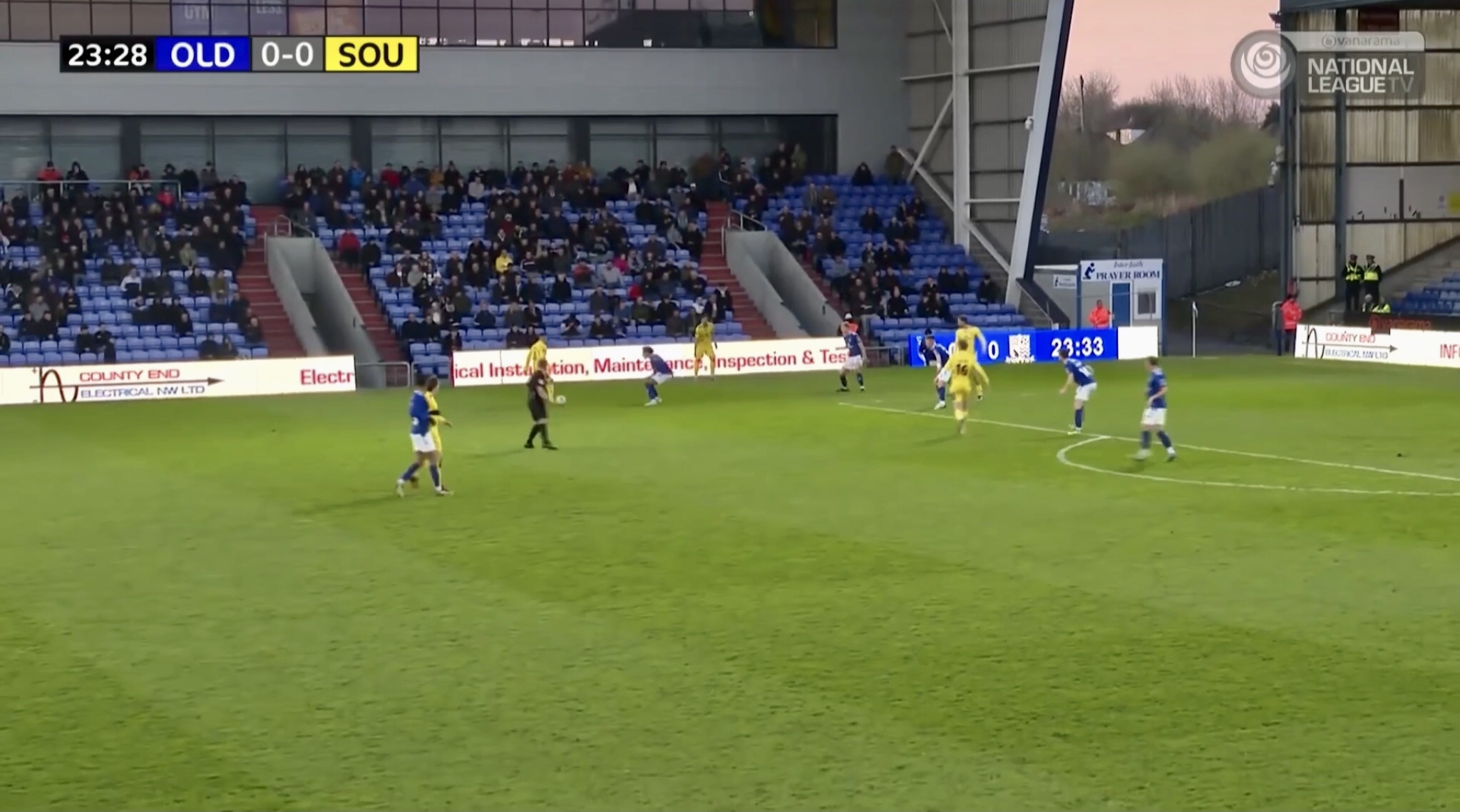
Oldham used their right back Will Sutton and right midfielder Devarn Green to double up on Jack Bridge when he had the ball, in an attempt to make it more difficult for him to cross into the box.
Here you can see the two Oldham players on Bridge. As Bridge passes back to Noor Husin, Sutton goes back into his position in Oldham’s back four, whilst Green presses Husin. As the ball goes back to Bridge, they attempt to double up again.
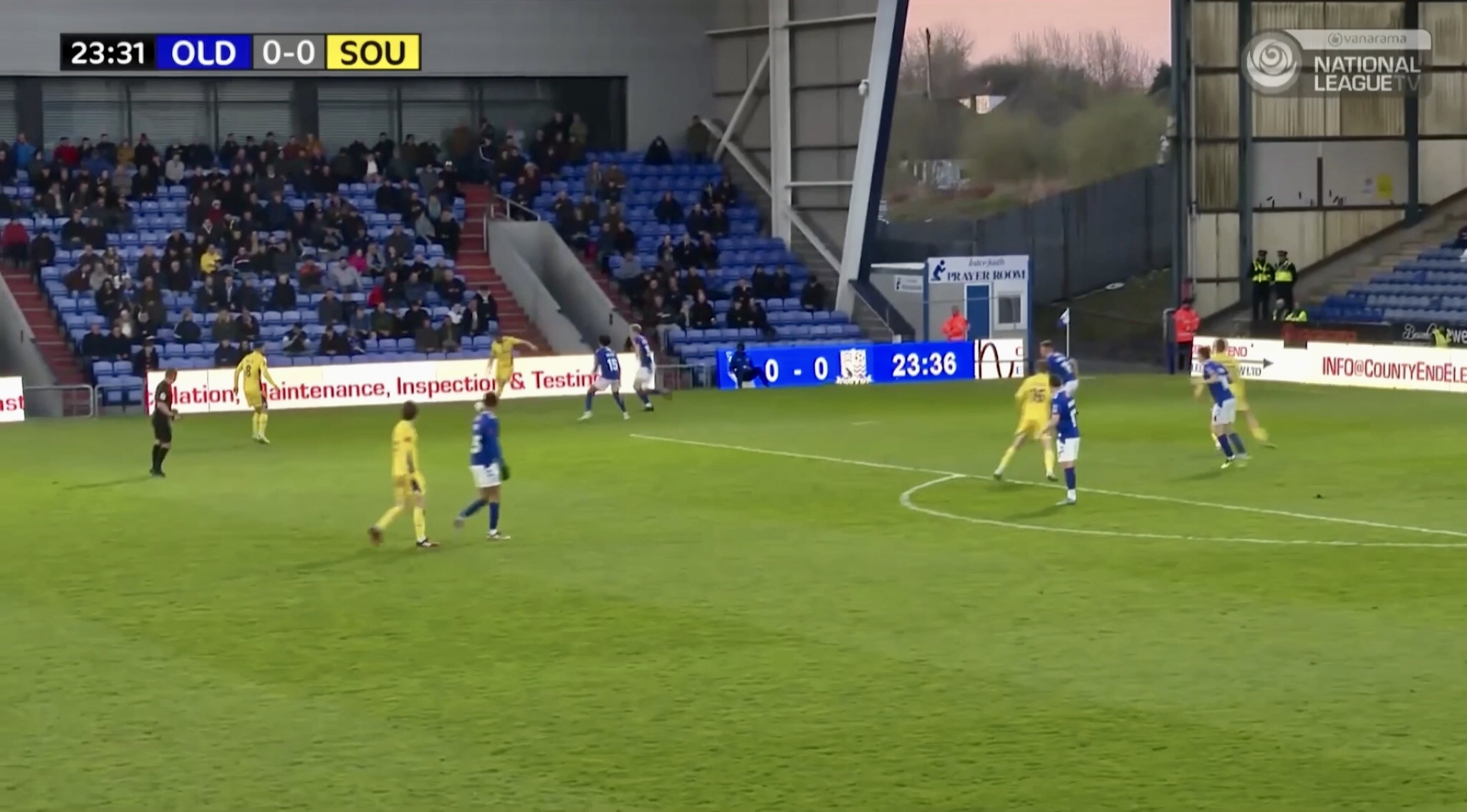
When we attacked down our right side, the ball often came back inside the pitch as nobody was making underlapping runs when Gus Scott-Morriss had the ball on the touchline, and he doesn’t possess the same 1v1 ability that Bridge does to dribble around his marker.
Here, you can see Oldham’s 4-4-2 defensive block. Notice how each member of their defence is marking a Southend player; the two centre backs are positioned next to our strikers, and each Oldham full-back has the responsibility of pressing our wing back when the ball goes out to them. Could we have pushed another player forwards here to try and overload Oldham’s defence?
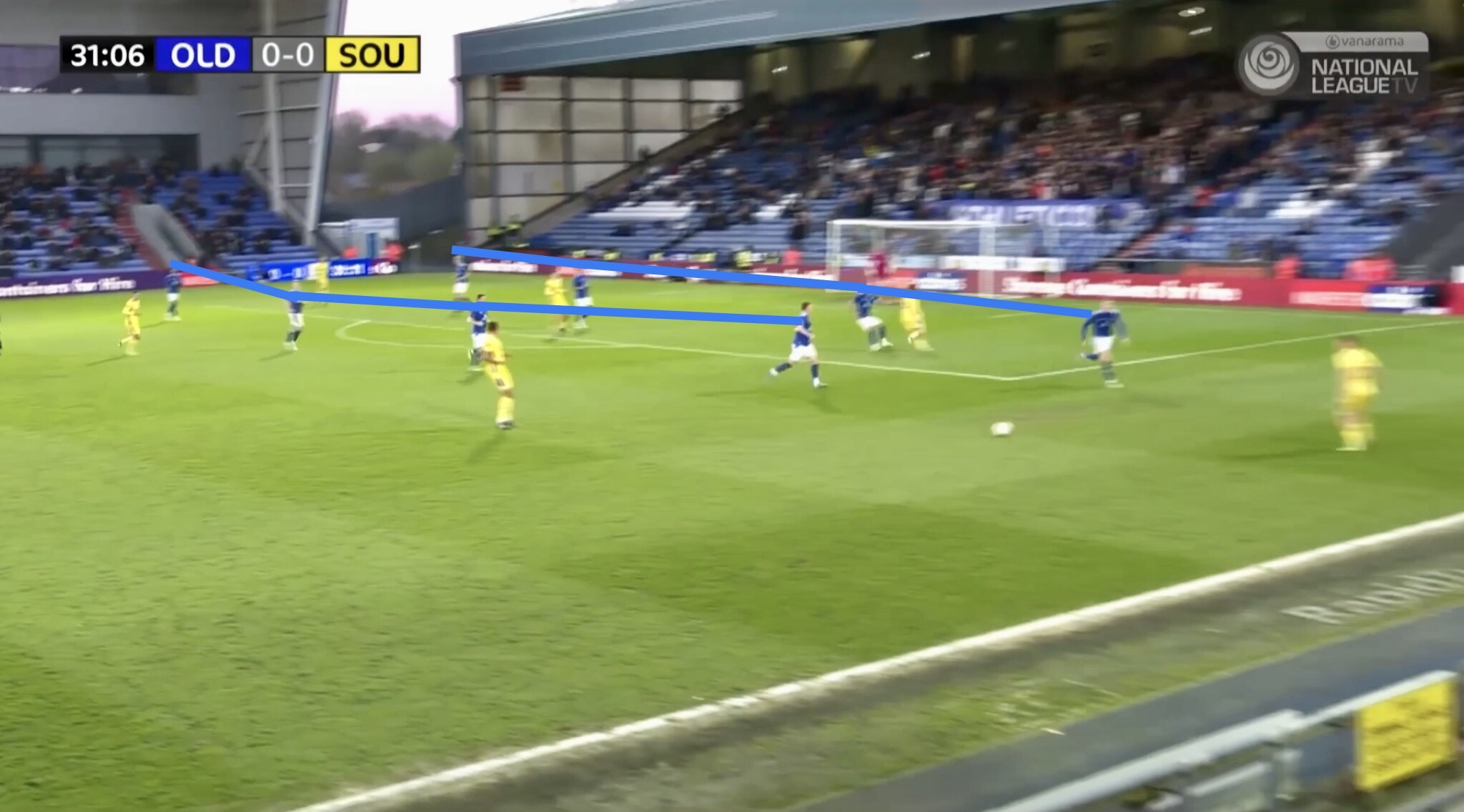
One way of breaking down a low-block is to move the ball quicker when you have the opportunity to do so.
In the first half we had a free kick which we took quickly to Jack Bridge, who was in space. Again he was quickly occupied by two Oldham players, but he held possession and an overlapping run from Noor Husin helped us to cross the ball into the box. The ball eventually fell to Gus Scott-Morriss at the back post, but unfortunately he couldn’t convert the chance. This was a good example of how we attempted to break down Oldham’s low-block though.
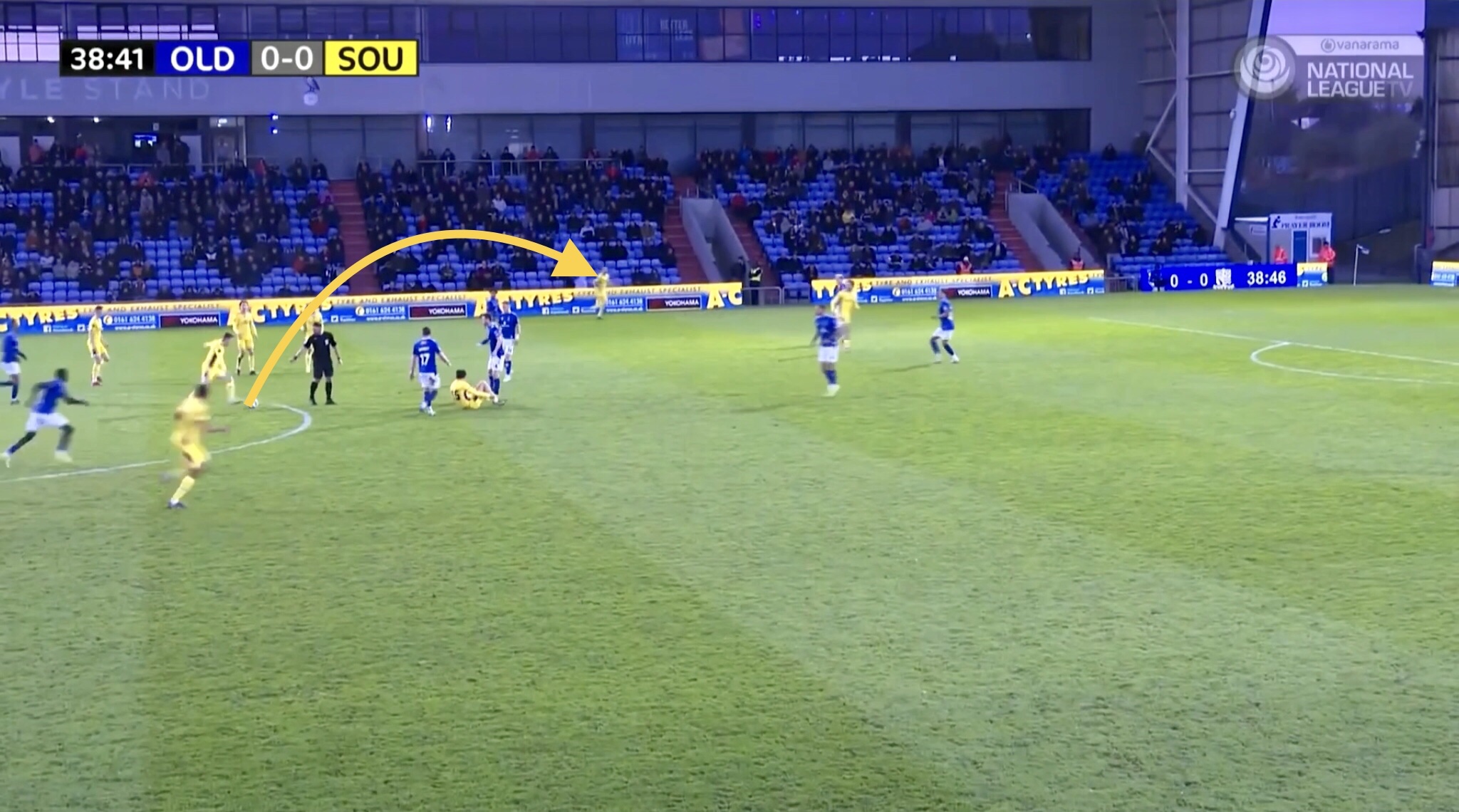
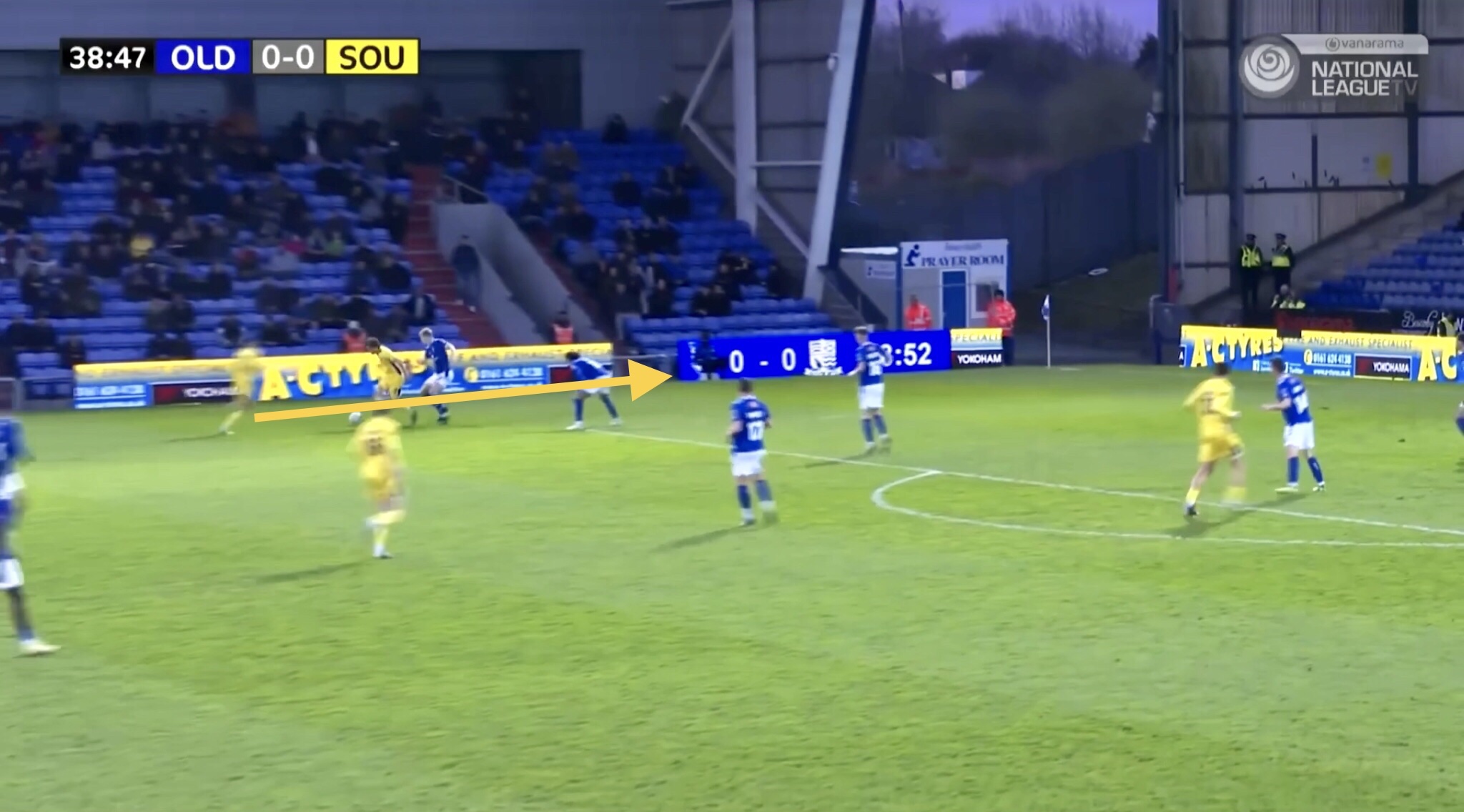
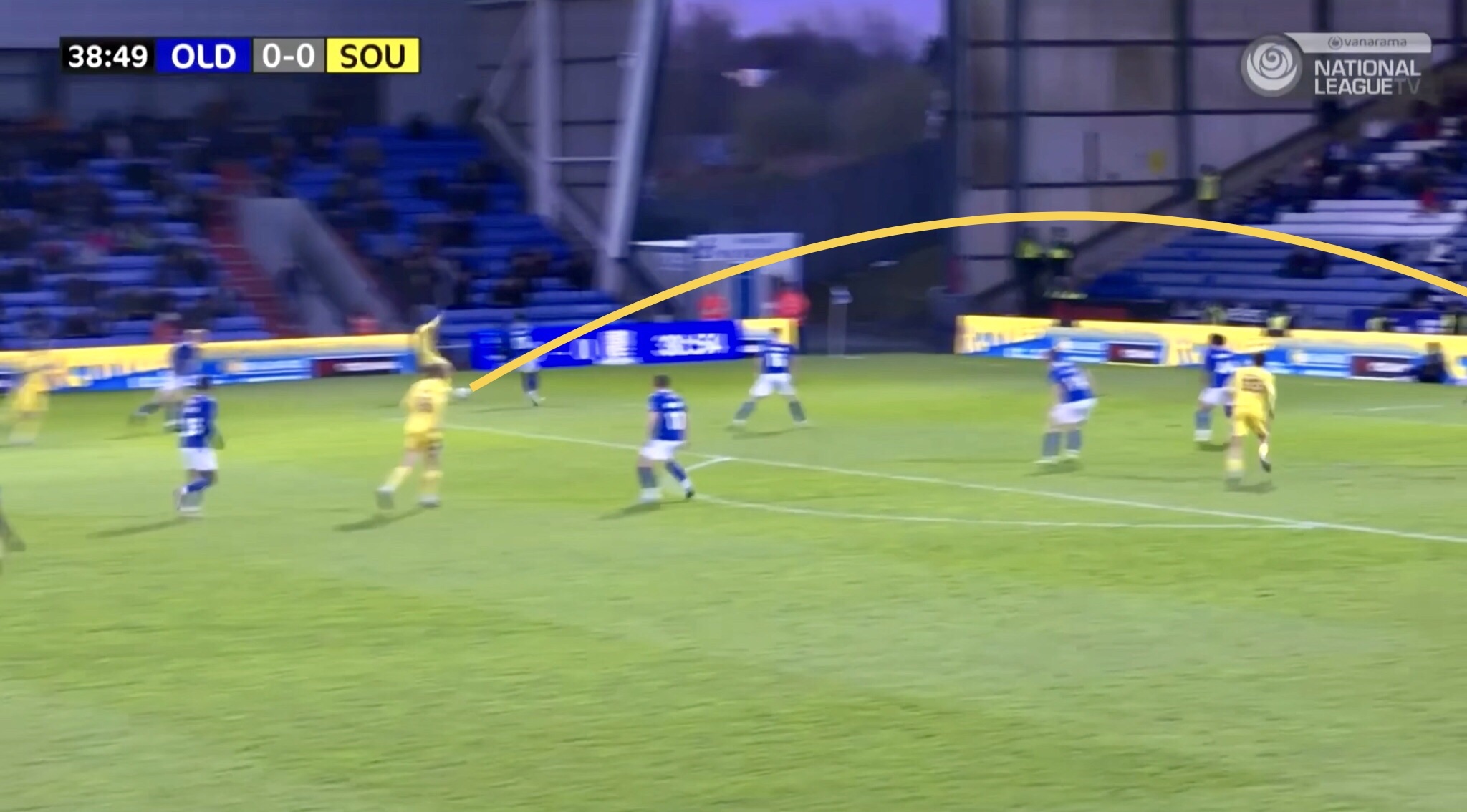
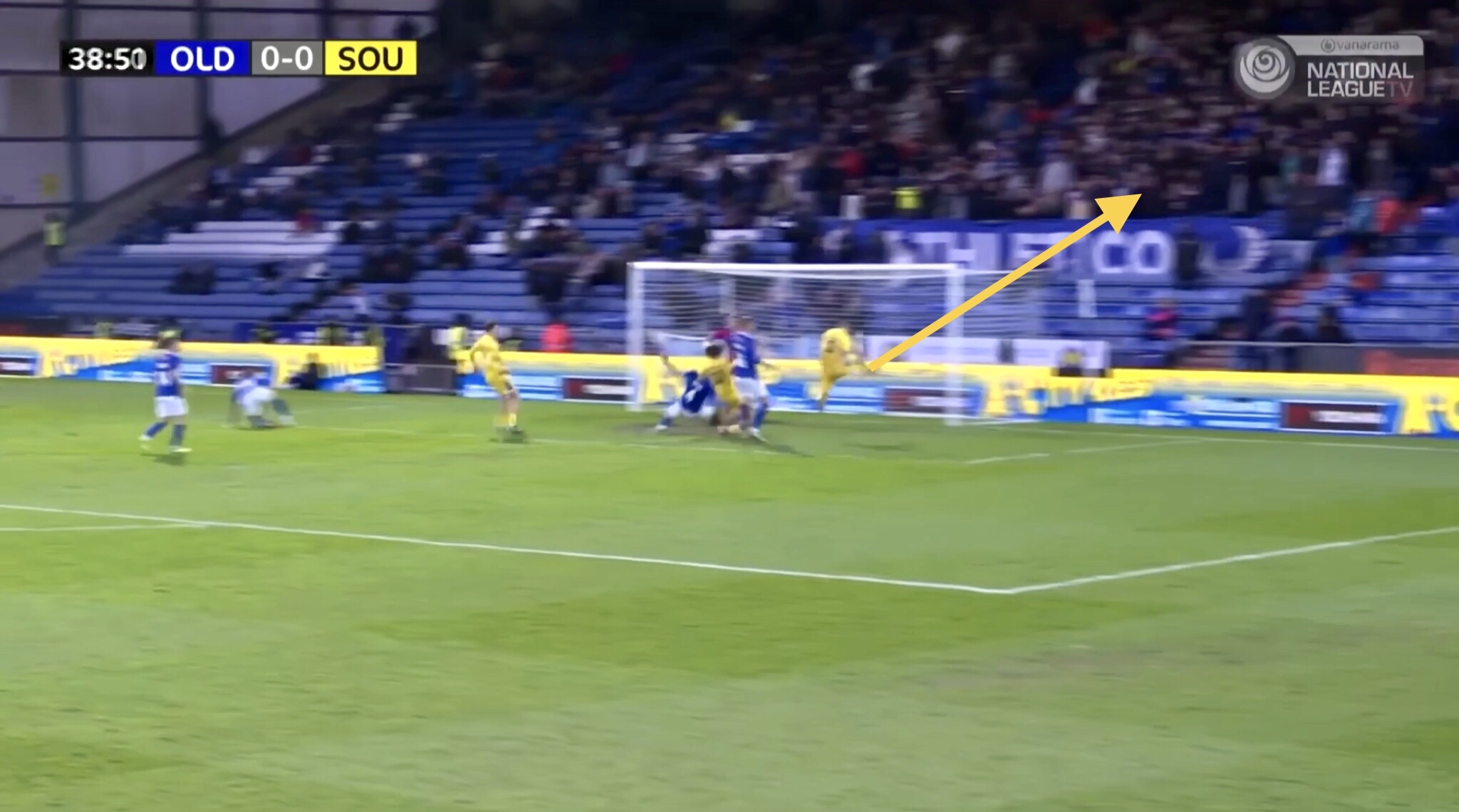
There weren’t enough of these overlapping runs in the first half in my opinion. I certainly felt that in the second half we put more emphasis on these movements to try and break Oldham down.
Here you can see Bridge pass to Husin. He then made a run in behind Oldham’s defence before receiving a return pass. The ball was crossed into the box, but was cleared by the goalkeeper on this occasion.
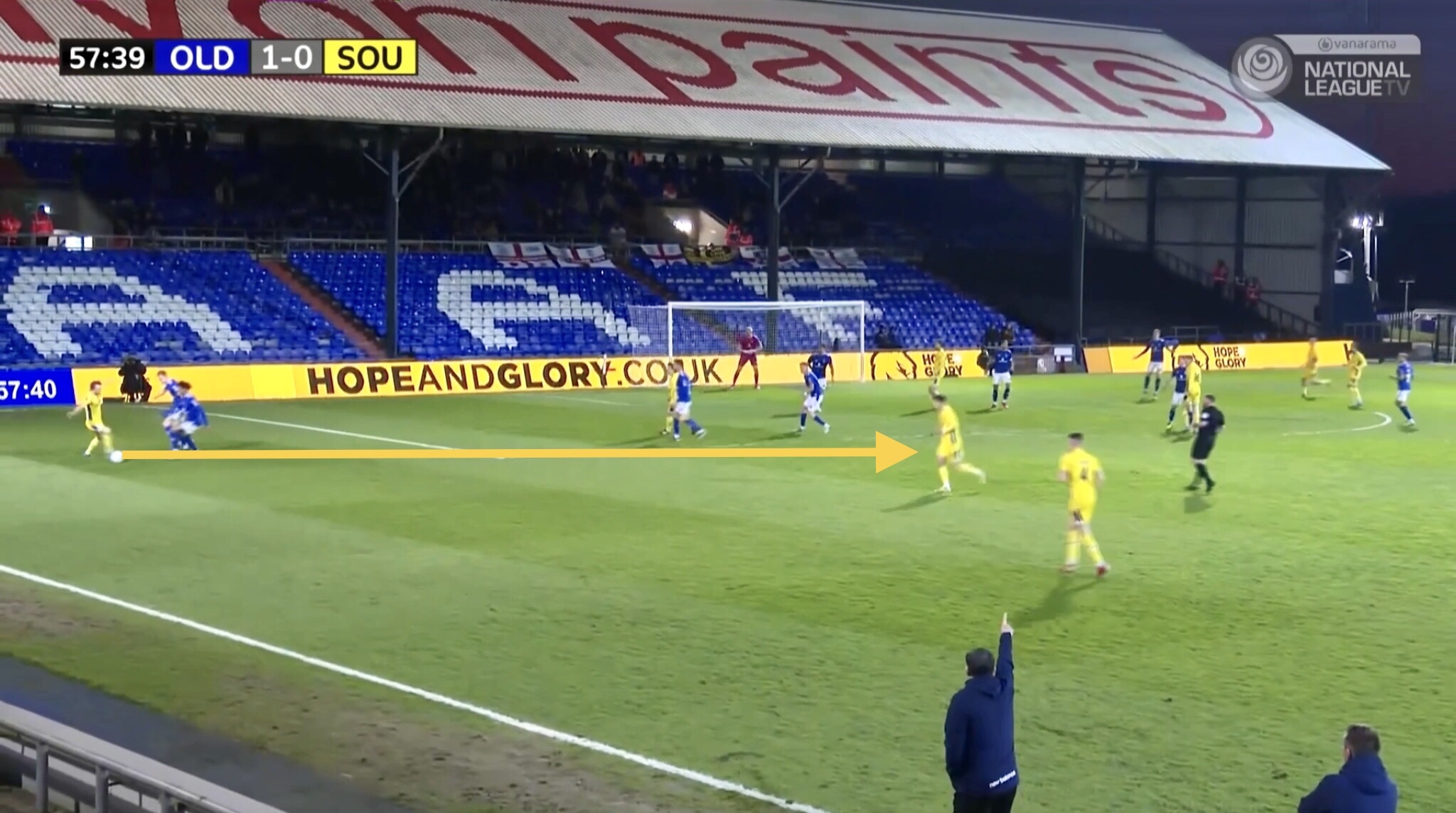
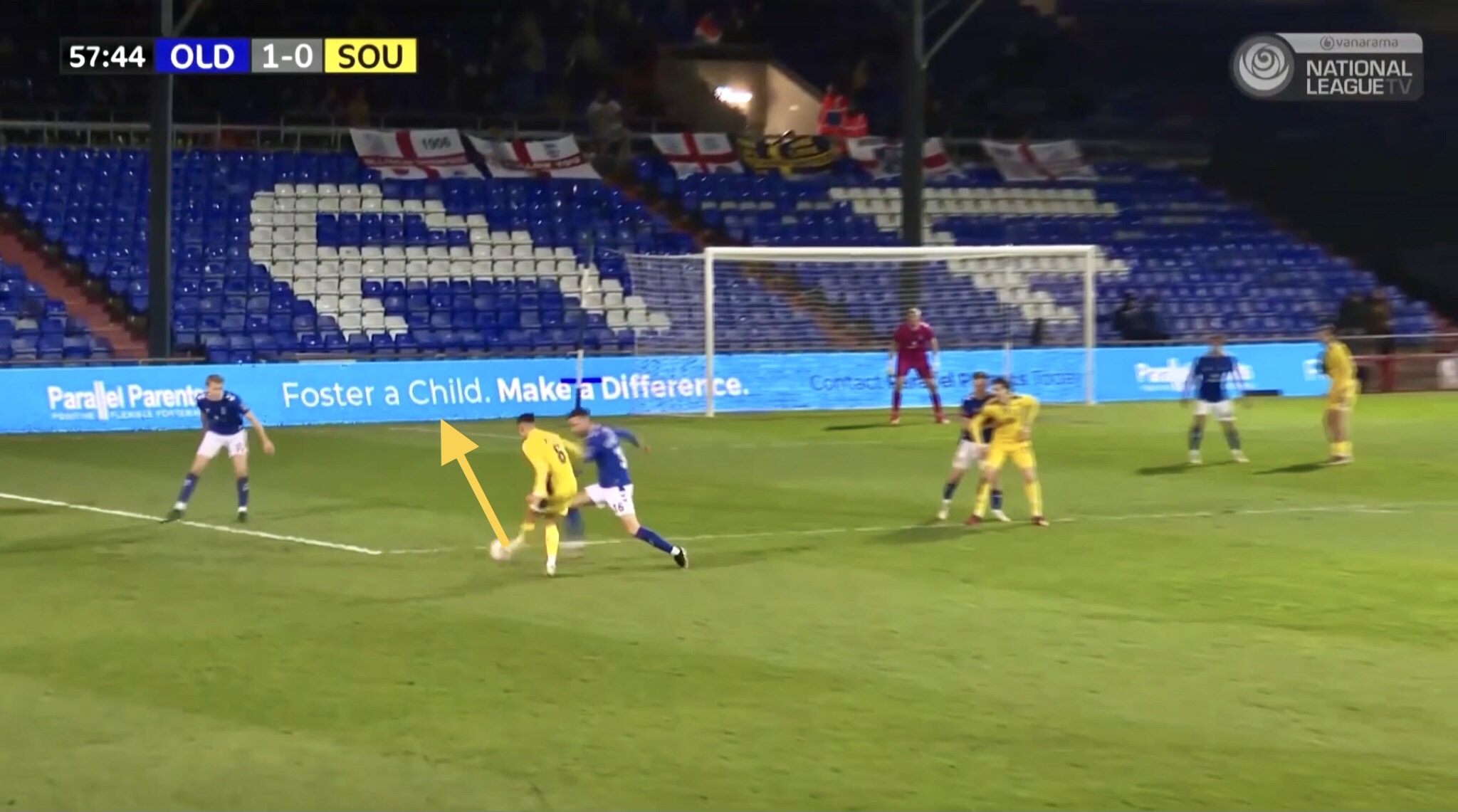
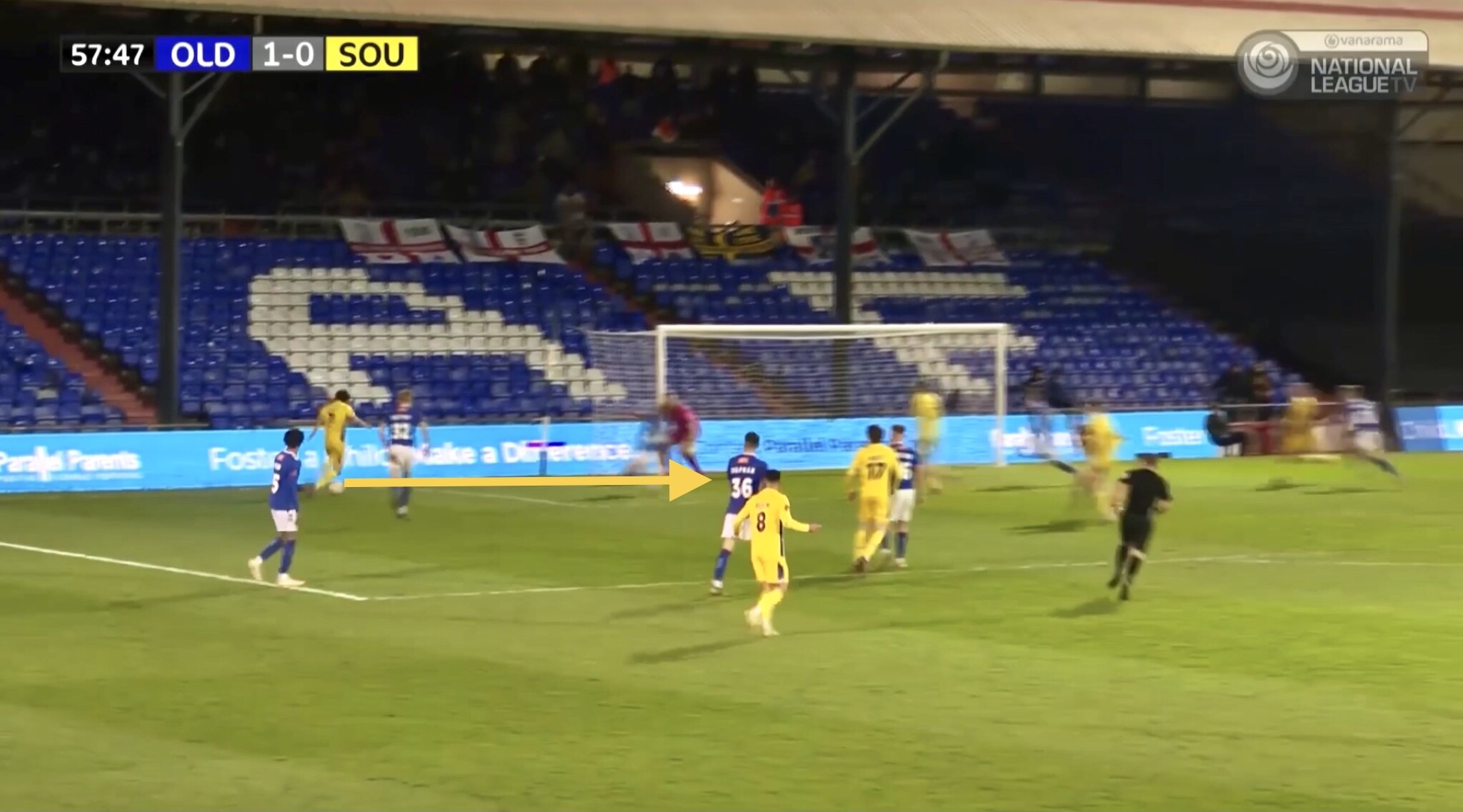
Again here, Dan Mooney switches play by passing to Bridge on the opposite side of the pitch. Bridge plays a quick pass to Husin, who had made a forward run. His cross was half cleared, but fell to Bridge who couldn’t finish.
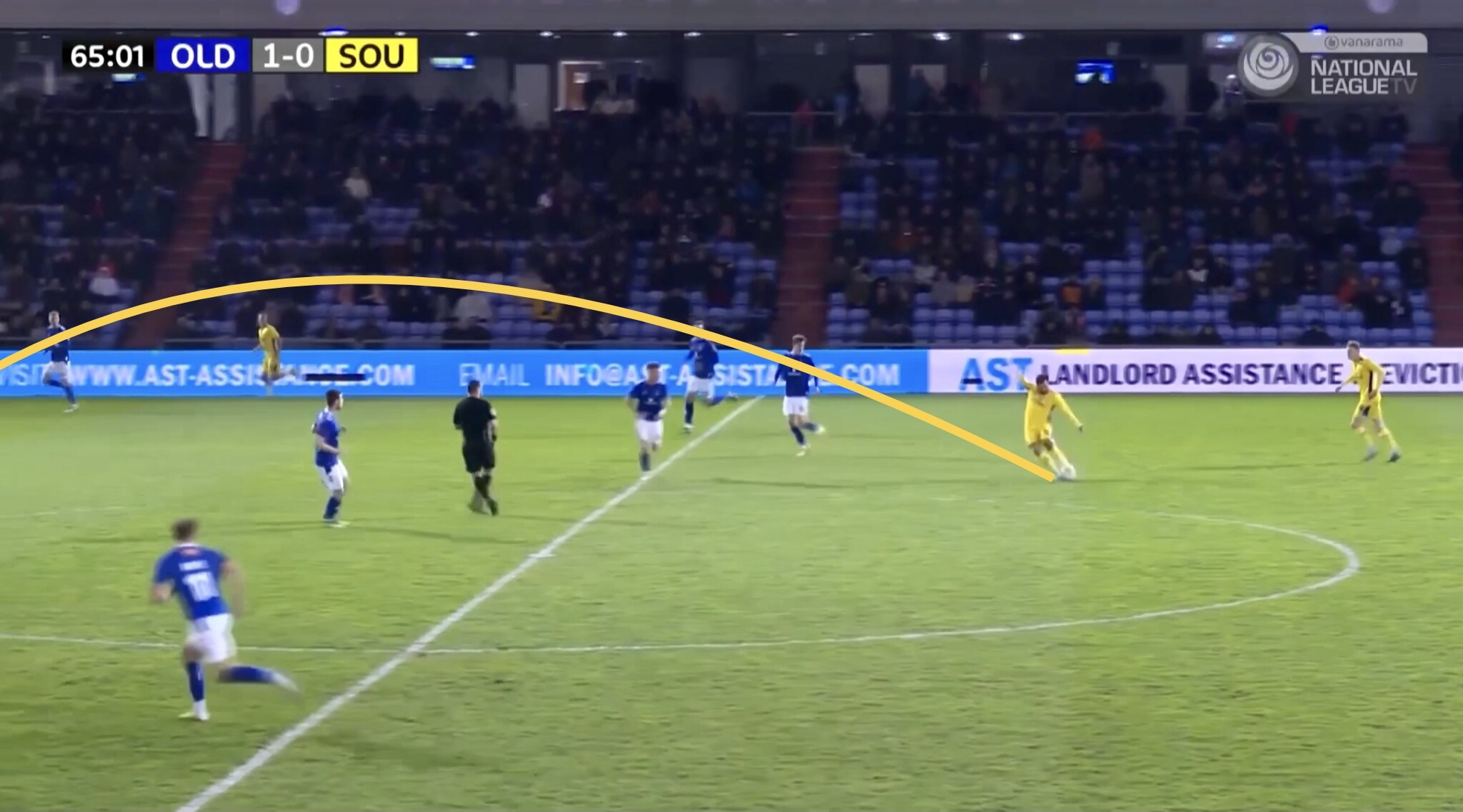
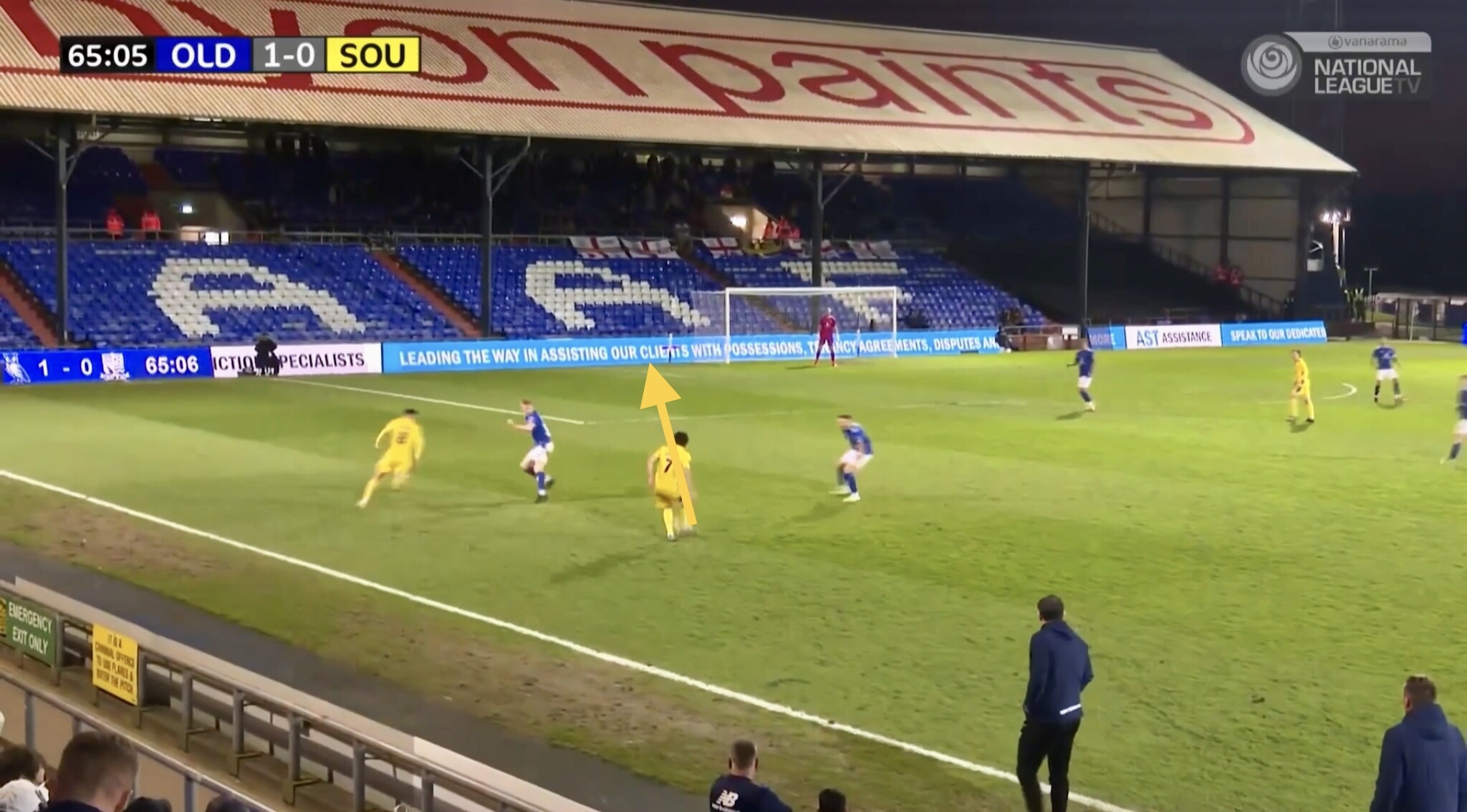
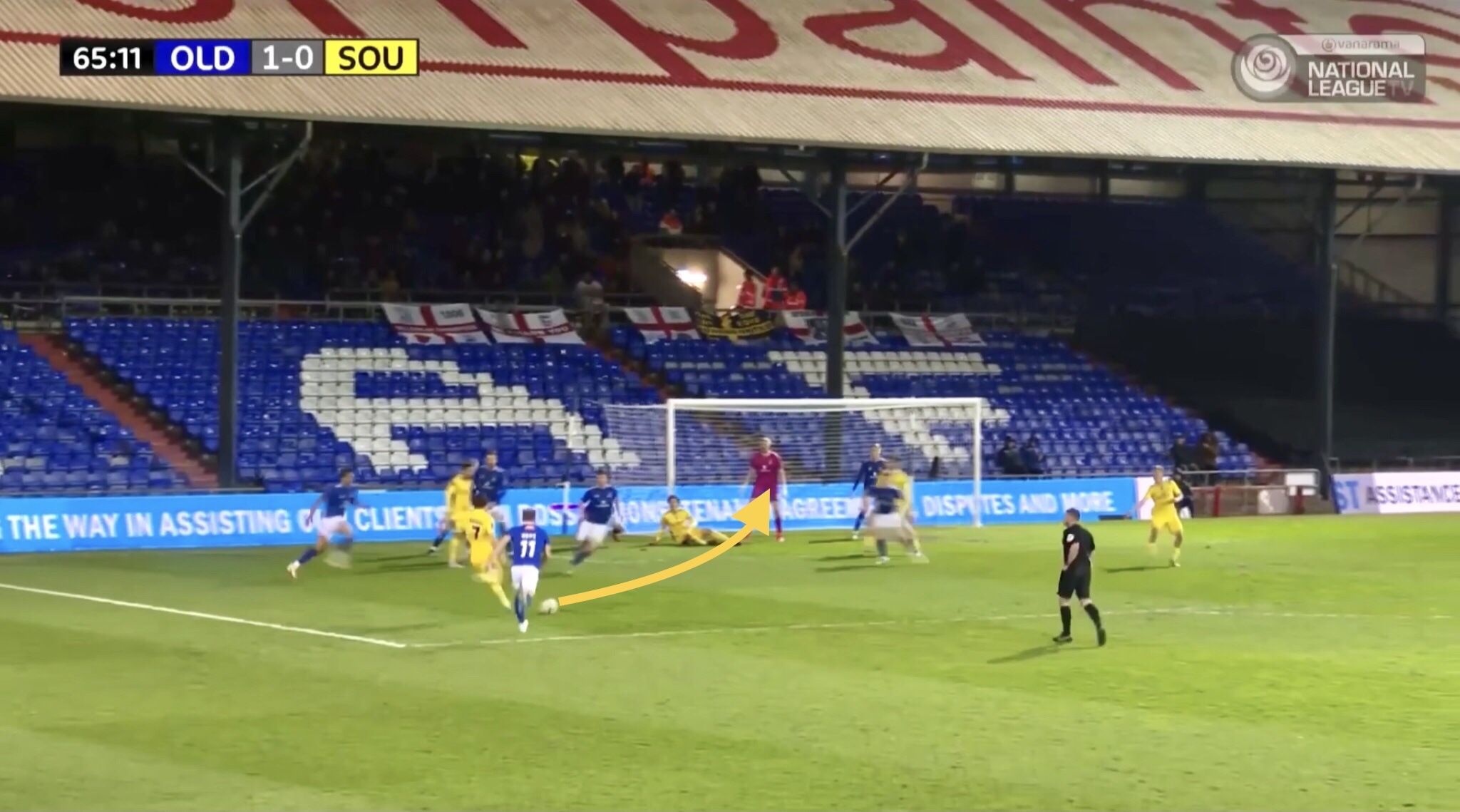
On many occasions, our crosses either failed to find a Southend player, or were dealt with by Oldham’s defence. Long throws and set-pieces also presented us with opportunities to get the ball into Oldham’s penalty area, but we were unable to take advantage of any of the chances that came our way.
Including versus Oldham on Tuesday night, in the 18 league matches where Southend have had over 55% possession this season, we have only picked up 21 points, scoring 19 non-penalty goals in the process. We have accumulated a non-penalty expected goals (NPxG) figure of 26.01 over the same matches, meaning we would have been expected to score roughly seven more goals in these matches based on the shots we’ve taken.
Of course, these matches won’t represent every scenario where we have to break down a low-block. For example, perhaps a team will sit deeper against us for just the last 10 minutes of a match in which they have had more possession than us, but it’s a pretty good indicator.
Earlier this season I wrote about our record after scoring or conceding the first goal, and found that we rarely drop points when scoring first, but struggle to pick up points when conceding the first goal in matches. One of the reasons for this was because, after going in front, teams generally look to sit deeper against us, allowing us to have more possession with the emphasis on us to break down their defensive block.
This makes the first goal all the more important, and conceding silly goals like the opener against Oldham even more frustrating.
Of course, the off-field situation at the club has defined our season, and there’s a strong argument to suggest we would be higher up the league table if we hadn’t been under a transfer embargo for almost the entirety of the season. However, you can’t be a successful possession-based team if you are as consistently ineffective at breaking down low-blocks as we have been all season.
Being able to break down a low-block is essential for possession-based teams. The slow build-up that comes with moving the ball out of defence often allows the opposition time to get into their block, and you have to then find the solutions to break these sides down. It’s a worthwhile tactic to use for teams who perhaps don’t possess the qualities to control possession, and even the best sides in the world will struggle to break low-blocks down on occasion. However, our record against these sides speaks for itself, and we have to find a way to be more effective against them in the future.
 Shrimper Stats
You must be logged in to post a comment.